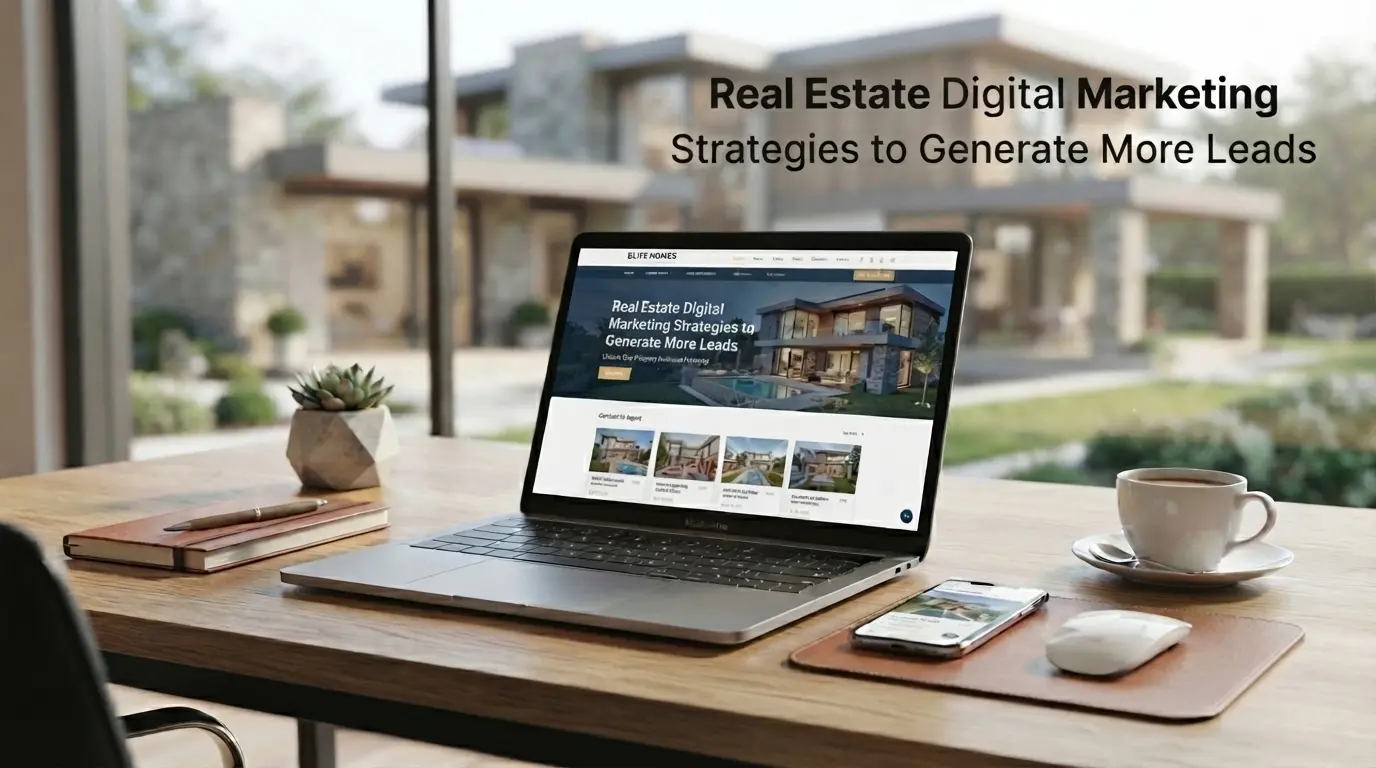
Property buyers in Nigeria now start their search on Google, Instagram, or WhatsApp before they ever call an agent. If your listings do not appear in those places, you are losing leads to competitors who show up first.
This guide covers the digital marketing strategies that actually generate inquiries for real estate businesses, from SEO and content marketing to paid ads, landing pages, and lead follow-up systems that convert browsers into viewings.
What Real Estate Digital Marketing Is
Real estate digital marketing is the use of online channels to promote properties and connect with buyers, renters, or investors. The channels include websites, search engines, social media platforms, email, and messaging apps like WhatsApp. The goal is simple: get your listings in front of people who are actively looking for property.
What makes digital marketing different from newspaper ads or billboards? Targeting. When you post a listing on Instagram or run a Google ad for "3-bedroom flat in Lekki," you can reach people based on their location, income, and recent search behavior. A billboard on the Third Mainland Bridge cannot tell you who looked at it or whether they were even interested in property.
Why Digital Marketing Drives Real Estate Lead Generation
Most property seekers now start their search online. In Nigeria, that often means scrolling Instagram, typing "houses for sale in Abuja" into Google, or asking for recommendations in a WhatsApp group. If your listings do not show up in any of those places, you are invisible to the people who are ready to buy or rent.
This shift in behavior creates an opening. Developers and agents who show up online can capture high-intent leads at the exact moment someone is searching. Mobile usage dominates property discovery across African markets, so your listings and landing pages have to load quickly and look good on a phone screen.
Core Real Estate Digital Marketing Strategies That Generate Leads
SEO for Property Listings and Local Search
SEO (search engine optimization) is the practice of structuring your website so Google ranks it higher in search results. For real estate, that means writing property pages with specific keywords. Think "4-bedroom duplex in GRA Port Harcourt" rather than just "house for sale."
Local SEO matters too. Claiming your Google Business Profile and keeping it updated with accurate contact details, photos, and reviews helps you appear in map results. When someone in Enugu searches "estate agents near me," a well-maintained profile can put you at the top.
Content Marketing and Neighborhood Guides
Content marketing means publishing articles, guides, and market updates that answer the questions buyers already have. A first-time buyer in Lagos might search "Is Ikoyi safe?" or "What documents do I need to buy land in Asaba?" If your website answers that question, you have a chance to earn their trust before they ever call you.
Neighborhood guides work particularly well. You can cover:
- Safety and infrastructure: Does the area flood? Is there reliable power?
- Schools and amenities: What are the nearby hospitals, markets, and schools?
- Price trends: What does a 2-bedroom flat typically cost in that neighborhood?
- Document requirements: Explain C of O, Governor's Consent, or Deed of Assignment for that location
Social Media for Agents and Developers
Facebook, Instagram, LinkedIn, and TikTok each serve different purposes. Instagram works well for property photos and short video walkthroughs. Facebook groups remain popular for neighborhood-specific property discussions, especially in Lagos and Abuja where some groups have thousands of active members.
Organic posting (listing photos, client testimonials, behind-the-scenes content) builds familiarity over time. However, organic reach has dropped on most platforms, so paid promotion often becomes necessary to reach new audiences.
Video Marketing and Virtual Tours
Virtual tours are 360-degree walkthroughs or video property tours that let buyers explore a property remotely. They are especially useful for diaspora buyers who cannot visit in person, or for busy professionals who want to shortlist properties before scheduling physical viewings.
You do not need expensive equipment to start. A smartphone with a stabilizer and decent lighting can produce a good walkthrough video. For higher-end developments, 3D tour software like Matterport creates interactive experiences that buyers can explore at their own pace.
Paid Search and Social Ads for Property Listings
Pay-per-click (PPC) ads on Google and paid campaigns on Facebook or Instagram let you target specific audiences based on location, demographics, and online behavior. You pay only when someone clicks, which makes budgeting more predictable than traditional advertising.
The key is directing ad traffic to a dedicated landing page rather than your homepage. A landing page for a specific property converts better because it matches the ad's promise and removes distractions.
Email and WhatsApp Drip Campaigns
A drip campaign is an automated sequence of messages sent over time to nurture leads who are not yet ready to buy. In African markets, WhatsApp often outperforms email because open rates are higher and responses come faster.
A typical sequence might send a welcome message immediately after someone inquires, followed by a property brochure the next day, then a reminder to book a viewing three days later. This keeps you top-of-mind without requiring manual follow-up for every lead.
Retargeting Warm Buyers and Renters
Retargeting shows ads to people who previously visited your website or viewed a specific listing. A retargeting ad might remind them of the property they looked at, highlight a price reduction, or invite them to schedule a tour.
Most advertising platforms (Google, Facebook, Instagram) offer retargeting. You install a small piece of code on your website, and the platform tracks visitors so you can serve them ads later.
How to Build a Real Estate Digital Marketing Strategy Step by Step
1. Define Your Buyer and Renter Personas
Start by identifying who you are selling to. A first-time buyer in their late twenties looking for a starter apartment in Yaba has different concerns than an investor seeking land in Asaba. Write down the demographics, budget range, property preferences, and common objections for each type of buyer you serve.
2. Audit Your Listings, Website, and Social Channels
Review your existing digital presence for gaps. Are your listings mobile-friendly? Do photos look professional, or are they dark and blurry? Is your contact information visible on every page? An inactive Instagram account with outdated posts can hurt credibility.
3. Set Lead Volume and Sales Targets
Establish clear goals before launching any campaign. How many inquiries do you want per month? How many viewings? How many closed deals? Tie your marketing activity to measurable targets so you can tell whether your spending is producing results.
4. Pick Two or Three Priority Channels
Spreading yourself across every platform usually leads to mediocre results everywhere. Choose two or three channels based on where your target buyers spend time. Younger buyers might be on Instagram and TikTok. Family home seekers often use Facebook groups. Investors may respond better to LinkedIn or email.
5. Build Landing Pages for Each Property or Development
Each property or estate benefits from a dedicated page with photos, pricing, location details, and a lead capture form. This is where your ad traffic goes. A generic homepage forces visitors to search for what they want, and many will leave before finding it.
6. Launch Campaigns and Log Every Lead
Start your campaigns and track every inquiry in a spreadsheet or CRM. Record the lead's name, phone number, property of interest, and the channel they came from. Untracked leads are wasted marketing spend because you cannot measure what worked.
7. Review, Cut, and Reinvest Every Month
At the end of each month, review which channels produced leads and which did not. Pause underperforming campaigns and move budget to what works. Digital marketing rewards iteration, so treat your first campaigns as experiments rather than final answers.
Landing Pages and Lead Capture for Real Estate Websites
A landing page is a single-purpose webpage designed to convert visitors into leads. Unlike a homepage, it focuses on one property or offer and removes navigation links that might distract visitors.
A good real estate landing page typically includes:
- Hero image: A high-quality photo of the property's best feature
- Headline: Property type, location, and one key selling point
- Price and payment options: Outright price, installment plans, or mortgage availability
- Lead form: Capture name, phone number, and preferred viewing time
- Trust signals: Verification badges, agent credentials, or client reviews
Keep the form short. Asking for too much information upfront discourages submissions. Name and phone number are usually enough to start a conversation.
How to Qualify and Follow Up With Real Estate Leads
Lead qualification means determining whether an inquiry is ready and able to buy or rent. Not every lead is equal. Some are serious buyers with financing in place. Others are browsing casually with no timeline.
When a lead comes in, respond quickly. Speed matters because the first agent to respond often wins the relationship. Ask qualifying questions early:
- What is your budget range?
- Are you financing or paying outright?
- When do you want to move?
- Have you viewed other properties?
The answers help you prioritize leads and tailor your follow-up. A buyer who wants to move next month requires a different approach than someone planning for next year.
Tools and AI for Real Estate Marketing
Several categories of tools can support your marketing:
| Tool Category | Purpose | Examples |
|---|---|---|
| CRM | Track leads and follow-ups | HubSpot, Zoho, spreadsheets |
| Email/WhatsApp automation | Send drip campaigns | Mailchimp, WhatsApp Business API |
| Social scheduling | Plan and post content | Buffer, Hootsuite, Meta Business Suite |
| Virtual tour software | Create 360° walkthroughs | Matterport, Kuula |
| AI content tools | Draft listings and ad copy | ChatGPT, Jasper |
| Analytics | Measure website and ad performance | Google Analytics, Meta Ads Manager |
You do not need all of them at once. Start with a simple CRM (even a spreadsheet works) and add tools as your volume grows.
How to Measure ROI and Budget a Real Estate Marketing Plan
Cost Per Lead and Cost Per Viewing
Cost per lead is your total ad spend divided by the number of inquiries you received. If you spent ₦100,000 on Facebook ads and got 20 inquiries, your cost per lead is ₦5,000. Cost per viewing divides spend by the number of viewings booked, which is often a better indicator of lead quality.
Lead to Deal Conversion Rate
Conversion rate is the percentage of leads that become closed sales or signed leases. If 100 leads produced 5 deals, your conversion rate is 5%. Tracking this over time shows whether your marketing attracts serious buyers or just browsers.
Channel Level Attribution
Attribution identifies which channel (Google, Facebook, Instagram, referral) produced each lead. The simplest method is asking "How did you hear about us?" when someone inquires. For more precision, use UTM tracking links that tag each campaign so your analytics can trace the source.
Put Your Real Estate Strategy Into Action With Realinkr
Building a digital marketing operation from scratch takes time, and many agents and developers lack the bandwidth to manage campaigns while also closing deals. Realinkr provides SEO-ready verified listings, content marketing campaigns, lead generation funnels, and follow-up tracking built for African real estate markets.
Whether you want to list properties at scale or partner with a team that handles your digital marketing, Realinkr connects you with high-intent buyers and renters across Lagos, Abuja, Enugu, Port Harcourt, and beyond.
Frequently Asked Questions About Real Estate Digital Marketing Strategies
What is the best digital marketing strategy for real estate?
The best approach combines SEO-optimized property listings with paid social ads and consistent follow-up. This captures both organic search traffic and targeted audiences while converting inquiries into viewings.
What is the 3-3-3 rule in real estate marketing?
The 3-3-3 rule suggests contacting a new lead within 3 minutes, following up 3 times, and using 3 different channels (call, text, email or WhatsApp) to maximize response rates.
What are the 5 main strategies of digital marketing?
The five main approaches are search engine optimization (SEO), content marketing, social media marketing, paid advertising (PPC), and email marketing.
What is the 70-20-10 rule in digital marketing?
The 70-20-10 rule is a content mix guideline: spend roughly 70 percent of effort on proven tactics, 20 percent on new approaches, and 10 percent on experimental ideas.
How much should a real estate agent budget for digital marketing?
Budget depends on inventory size and market competition. Many agents allocate a percentage of expected commission income or set a fixed monthly amount per active listing.
Deploy Algorithmic Buyer Acquisition on Your Portfolio
Accelerate sales velocity, reduce Cost Per Qualified Lead (CPL), and access verified high-net-worth buyers with Realinkr’s proven data infrastructure.